
1920s Fashion: How Scissors Freed a Woman's Body
1920s Fashion: How Scissors Freed a Woman’s Body
Every morning, Mabel’s day began the same way. She took a breath and knew it was her last deep one until night.
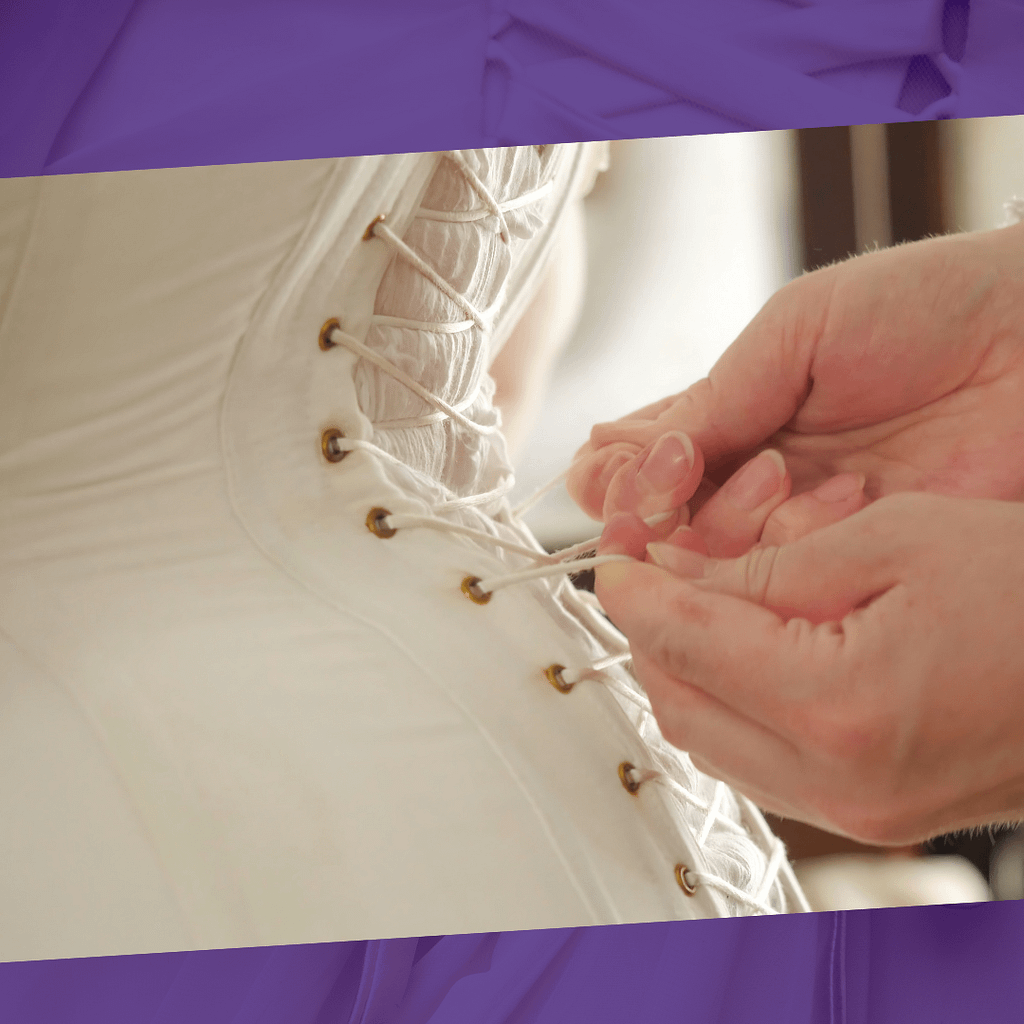
Her mother stood behind her and pulled the laces tight. Whalebone pressed into her ribs. Her breathing turned shallow, like a bird’s. “Beauty requires patience,” her mother said. Mabel was nineteen. The year was 1919. She suspected she had too much patience and too little life. This is the story of 1920s fashion, told through one girl and one pair of scissors.
The Girl Who Saw Something Different
The war was over, but it had changed everyone. While the men were at the front, women drove ambulances. They worked at factory machines. They kept the accounts in busy offices. Mabel’s older sister wore work trousers for two whole years. She never once complained about her breathing.
Then everything went back to its place. The men came home. Women were told to return to long skirts, tight waists, and roles written for them in advance.
Mabel could not explain what hurt. Then one day she caught her reflection in a shop window. The girl in the heavy ankle length dress looked sad. She seemed to apologize for taking up space.
The Night That Changed Everything
One Saturday decided it all. A friend invited her to a club with a real orchestra. Mabel put on her best dress, took a breath, and walked in.
She heard the music before she saw the people. The trumpet laughed. The drums ran ahead. No beat asked for permission. Then she saw the girls. They danced as if they had no body to hide. Waistless dresses swayed around their knees. Short bobbed hair shone under the lamps. Every face wore the same look. They felt light.
Mabel stood by the wall and could not dance. Her corset would not let her turn, sit, or laugh. She watched their freedom and understood something new. She did not envy the dresses. She envied the breathing.
Why 1920s Fashion Was a Right, Not a Rebellion
Mabel came home before dawn. She quietly undid the hooks and laid the corset on her bed. Then she breathed so deeply that her head spun. After that, she picked up the scissors.
Heavy dark locks fell to the floor. Each lock was a small “no” she had carried for years. When she finished, a stranger looked back from the mirror. The stranger had a bare neck and a stubborn chin. She was smiling.
In the morning, her mother sat down hard on a chair. “What will people say?” she whispered. Mabel answered softly but firmly. “Mother, what will I say?”
A few months later, she hemmed her dress to the knee. It felt almost criminal. Knees were a secret nobody mentioned. But the world did not collapse when she stepped outside. The sky stayed where it was. Her stride became quick and light.
Thousands of girls did the same thing in those years. As a result, the 1920s fashion silhouette turned straight, almost boyish. Fashion seemed to say that a woman need not be an hourglass to exist. Designers called it a style. For girls like Mabel, it was the first permission to belong to themselves.
What Stayed After
Decades passed, and Mabel became a grandmother. One day her granddaughter tried on her first jeans. She grumbled that they were a little tight. Mabel laughed and took an old photograph from a box.
A girl with short hair and a hemline above the knee looked into the camera. She looked as if she knew a secret. “Do you know what matters most in this photo?” Mabel asked. “This is where I first breathe.”
1920s fashion was never about fabric or length. It gave women the right to move, laugh, and take up space. Every time we choose clothes that feel good, we continue that story. It belongs to the brave girls who once picked up the scissors.