
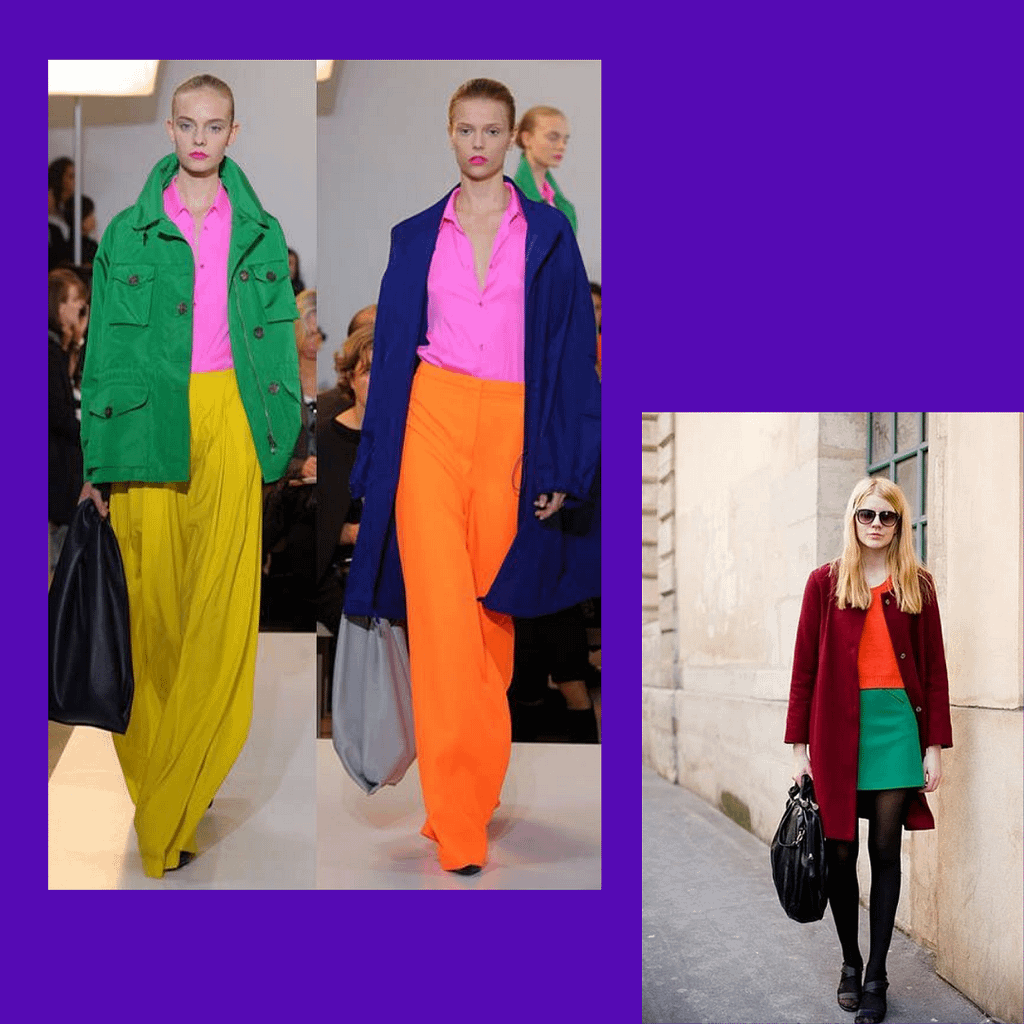
The Psychology of Fashion Trends: Why Do We Follow Them?
Fashion trends have a profound influence on the way we dress, but have you ever wondered why we follow them? Fashion isn’t just about clothing; it’s a reflection of our psychological needs and our desire to fit in with social groups. In this article, we explore the psychology behind why we follow fashion trends, examining how societal pressures, personal identity, and our innate need for social acceptance play a significant role in our choices.
The Need for Belonging
At the core of why we follow fashion trends is the human desire to belong. From an evolutionary perspective, humans are social creatures who have always depended on others for survival. This instinct to fit in is rooted deep within our psychological makeup. We want to be part of a group, and fashion provides a visible marker of membership.
When we wear the latest trends, we communicate to others that we are in tune with current times and share similar values or beliefs with those around us. For example, wearing a popular brand or a specific style of clothing sends a message that we are part of a larger social movement. It’s not just about the clothes themselves but about the social identity we create through them. Whether it’s wearing a designer label or embracing a specific aesthetic, our choices make us feel like we belong to a particular group.
Social Approval and Validation
Following fashion trends can also be tied to the psychological need for social approval. Social acceptance is a key driver in the decision-making process, particularly when it comes to appearance. We are constantly looking for validation from others, and fashion is one way to receive it. Wearing trendy outfits can provide an instant feeling of recognition and validation from peers, helping us feel good about ourselves.
This need for social approval is especially visible on social media, where the image we project to others is often influenced by trends. When we post photos of ourselves in the latest outfits, we are essentially seeking approval from our followers. The number of likes and comments can boost our self-esteem and reinforce our sense of belonging within a community.
Fashion trends, therefore, serve as a social currency. The more in line we are with current trends, the more likely we are to be accepted by others, which leads to a psychological sense of fulfillment. This is why many people feel an overwhelming urge to stay on top of the latest trends, even if they don’t necessarily fit their personal style.
The Influence of Social Media and Celebrities
In today’s digital age, social media and celebrities play a huge role in driving fashion trends. Platforms like Instagram, TikTok, and Pinterest serve as visual sources of inspiration, where users are constantly exposed to the latest styles and influencers. The psychological effect of seeing someone we admire or look up to wearing a particular style creates a sense of desire within us. It’s not just about liking a style—it’s about wanting to be associated with those we admire.
When celebrities or influencers wear something, they give it social validation, making it highly desirable to their followers. This is often referred to as celebrity endorsement, which has a profound psychological impact on consumers. People begin to feel that if they wear the same things as their idols, they too will be part of the “in” crowd. The desire to replicate the styles of those we admire speaks to a deeper psychological need for connection.
Fashion as Self-Expression
While following trends is largely about social belonging and approval, fashion is also a powerful tool for self-expression. People don’t just follow trends blindly; they often modify them to align with their personal identity. For some, fashion trends serve as a way to communicate something about who they are, their personality, or their aspirations.
Psychologically, people often use fashion to reinforce their self-image. Wearing a trend that resonates with your personality can make you feel more authentic and confident. For instance, someone who loves vintage fashion might feel a sense of personal fulfillment when they wear clothing that reflects their love for past eras. In this sense, following trends is a way to affirm our sense of self.
Moreover, fashion offers us the freedom to experiment with different identities. One day, we might wear a sleek, polished outfit to project a professional image, and the next day, we might dress casually to appear laid-back. This ability to switch styles based on mood or situation speaks to our psychological need for flexibility and adaptation. Fashion allows us to play with different versions of ourselves, which can be both liberating and satisfying.
The Impact of Marketing and Consumerism
Another critical factor influencing the psychology of fashion trends is marketing. In modern society, we are bombarded with advertisements and campaigns promoting the latest fashion styles. Marketers understand the psychological triggers that motivate people to purchase clothing, such as scarcity, social proof, and exclusivity. These tactics play on our subconscious desire to be seen as fashionable and desirable.
Fashion brands often create a sense of urgency around trends, making consumers feel as if they must buy now or miss out. This is called the fear of missing out (FOMO), a powerful psychological trigger that drives impulsive purchases. The constant promotion of new styles also reinforces the idea that fashion is ever-changing, leading consumers to feel that they must continually update their wardrobes to stay relevant.
Moreover, brand loyalty is a powerful psychological force in fashion. People often become attached to specific brands because they associate them with certain values or lifestyles. Whether it’s luxury, sustainability, or social responsibility, the psychological connection to a brand can motivate individuals to follow its trends and align themselves with the image it projects.
Conclusion: Fashion Trends and Our Psychological Needs
In conclusion, following fashion trends is not just about keeping up with what’s popular—it’s deeply tied to our psychological needs for belonging, social approval, and self-expression. Whether we are motivated by the desire to fit in with our peers, to gain validation through social media, or to express our personal identities, fashion is a way for us to communicate who we are and what we stand for. The influence of marketing, social media, and celebrities further amplifies these psychological forces, making it difficult to ignore the impact of trends on our lives.
Ultimately, fashion is much more than a superficial pursuit; it is a way for us to feel connected, validated, and empowered in a world where our appearance can serve as a reflection of our inner world.