
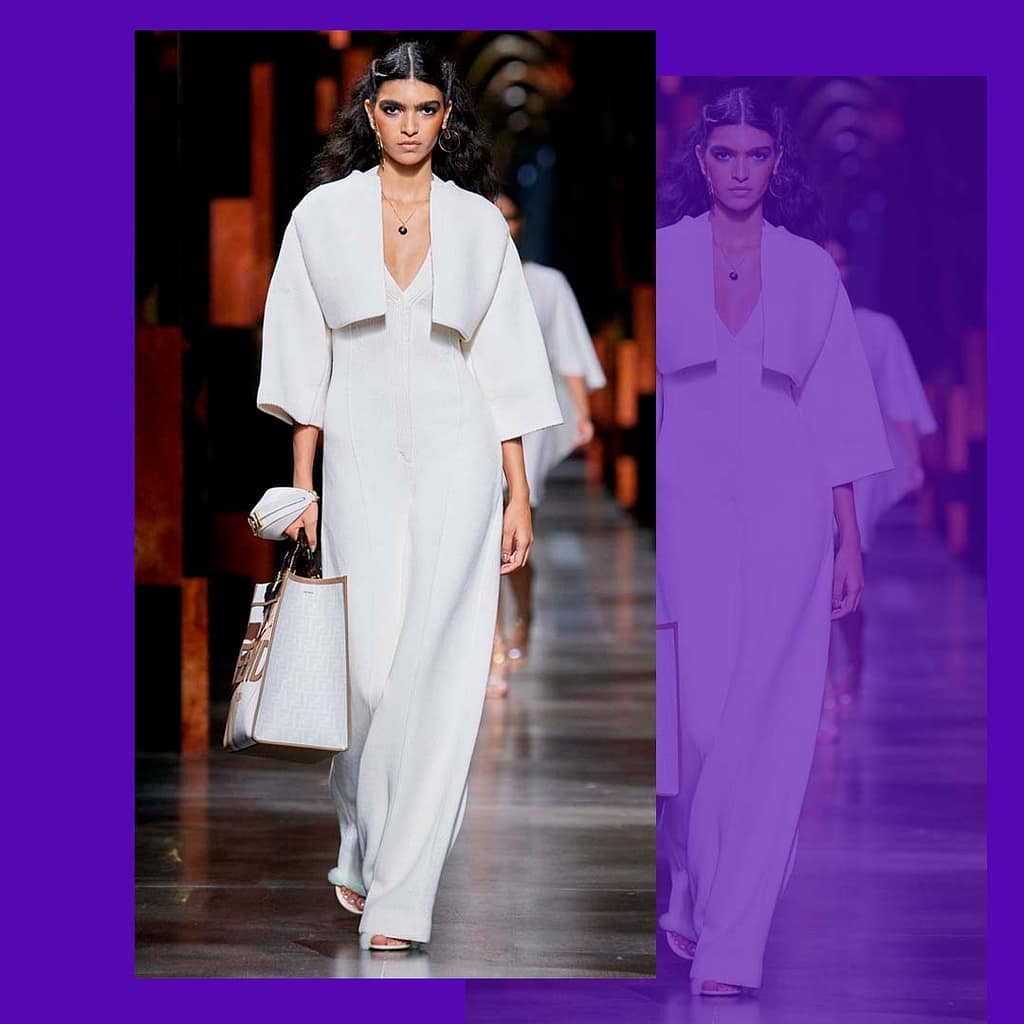
Dior Textile Collections: A Technical Breakdown of Cutting and Finishing Aspects
When we think of Dior, the first things that come to mind are elegance, glamour, and high-end luxury. However, behind these stunning creations lies a deeply technical and meticulous approach to design. Dior is not just about looking good; it’s about how the garments are constructed, how the fabrics are treated, and how the details are executed to perfection. In this article, we will dive into the technical side of Dior’s textile collections, examining the cutting techniques, fabric selection, and finishing methods that make Dior a leader in the world of fashion.
The Art of Fabric Selection in Dior Collections
Dior’s choice of fabrics is integral to its collections, as the texture and feel of a material directly influence the overall look of the garment. The brand has long been associated with the use of luxurious fabrics, including silk, chiffon, tulle, and wool. Each material is selected not only for its aesthetic quality but also for its drapability, sheen, and longevity.
One of the standout aspects of Dior’s fabric choices is their careful selection of luxury textiles that contribute to the movement and structure of their designs. For example, the brand’s use of silk satin in evening gowns creates a striking visual appeal by reflecting light, adding a sense of opulence to the garment. On the other hand, wool blends are often used for more structured pieces, such as coats and blazers, to achieve both rigidity and comfort.
Dior has also embraced innovative fabrics in recent years, including eco-friendly and sustainable textiles. As part of the industry-wide push for more sustainable fashion, Dior has begun incorporating recycled fibers and organic fabrics into its collections. This is a reflection of the brand’s commitment to both luxury and sustainability, proving that high fashion can also be environmentally conscious.
Precision in Cutting: Dior’s Tailoring Techniques
When it comes to cutting, Dior’s garments are renowned for their perfect fit and structure. The brand’s tailoring techniques are a blend of tradition and innovation, with precision at the forefront of every design. The process of creating Dior’s garments begins with careful pattern making, a technique that is the backbone of couture fashion.
Dior’s use of customized patterns is key to the brand’s ability to achieve a flawless fit. Each piece is often draped on a model or mannequin to ensure that the fabric flows naturally over the body. This draping technique allows Dior designers to visualize how the fabric will behave, helping them achieve the perfect shape and structure for each garment. By starting with this hands-on approach, Dior ensures that every piece is tailored to fit the body perfectly, whether it’s a flowing gown or a structured jacket.
Additionally, Dior has pioneered the use of asymmetrical cuts in some of its collections. This cutting technique allows the brand to create dynamic, contemporary silhouettes that feel both modern and timeless. By breaking away from the traditional symmetry of classic garments, Dior is able to introduce a sense of movement and innovation in its designs.
The Finishing Touches: Handcrafted Details
One of the hallmarks of Dior’s couture creations is the incredible attention to detail. The brand’s use of hand-finishing techniques is a significant part of what sets Dior apart from other high-end brands. Embroidery, beading, and lacework are often done by hand, ensuring that each piece is unique and exquisite.
Dior’s hand-embroidery is particularly notable for its intricate designs, which often incorporate motifs like floral patterns or feathers. This level of detail not only enhances the beauty of the garment but also gives it a sense of luxury that cannot be replicated by machines. For example, the intricate beadwork on a Dior evening gown is painstakingly placed by skilled artisans to create a seamless, fluid effect that complements the overall design.
The finishing touches also extend to the garment’s closures. Whether it’s a hidden zipper, a luxury button, or an oversized bow, Dior pays great attention to how every detail interacts with the garment as a whole. This careful attention ensures that every piece is polished, flawless, and timeless.
Dior’s Approach to Sustainable Fashion
Dior, like many luxury fashion houses, has begun to embrace sustainable practices in the creation of its collections. This shift has had a noticeable impact on the fabrics used, the production processes, and the overall design philosophy. One of the most significant changes has been the integration of recycled fabrics and sustainable materials into the brand’s textile collections.
The use of organic cotton, recycled polyester, and vegan leather reflects Dior’s commitment to minimizing its environmental impact. In addition to sustainable textiles, Dior has started to explore more eco-friendly dyeing processes that reduce the brand’s carbon footprint. This approach not only aligns with modern ethical standards but also ensures that the garments are made with the future in mind, without compromising on luxury or style.
Furthermore, Dior has adopted a more transparent approach to its production processes. The brand now provides more insight into the supply chain, ensuring that its materials are sourced responsibly and that the workers involved in the production process are treated ethically.
Conclusion: The Mastery Behind Dior’s Textile Collections
Dior’s textile collections are a perfect fusion of artistry, precision, and innovation. The brand’s ability to seamlessly combine luxury fabrics, tailored cuts, and meticulous finishing ensures that each piece stands the test of time. While fashion trends may come and go, Dior’s commitment to quality craftsmanship and attention to detail keeps the brand at the top of the fashion world.
From sustainable fabrics to intricate hand-finishing techniques, Dior’s approach to fashion is rooted in a deep understanding of the technical aspects of garment creation. Each collection is a testament to the brand’s ability to stay relevant while maintaining its legacy of luxury and elegance.