
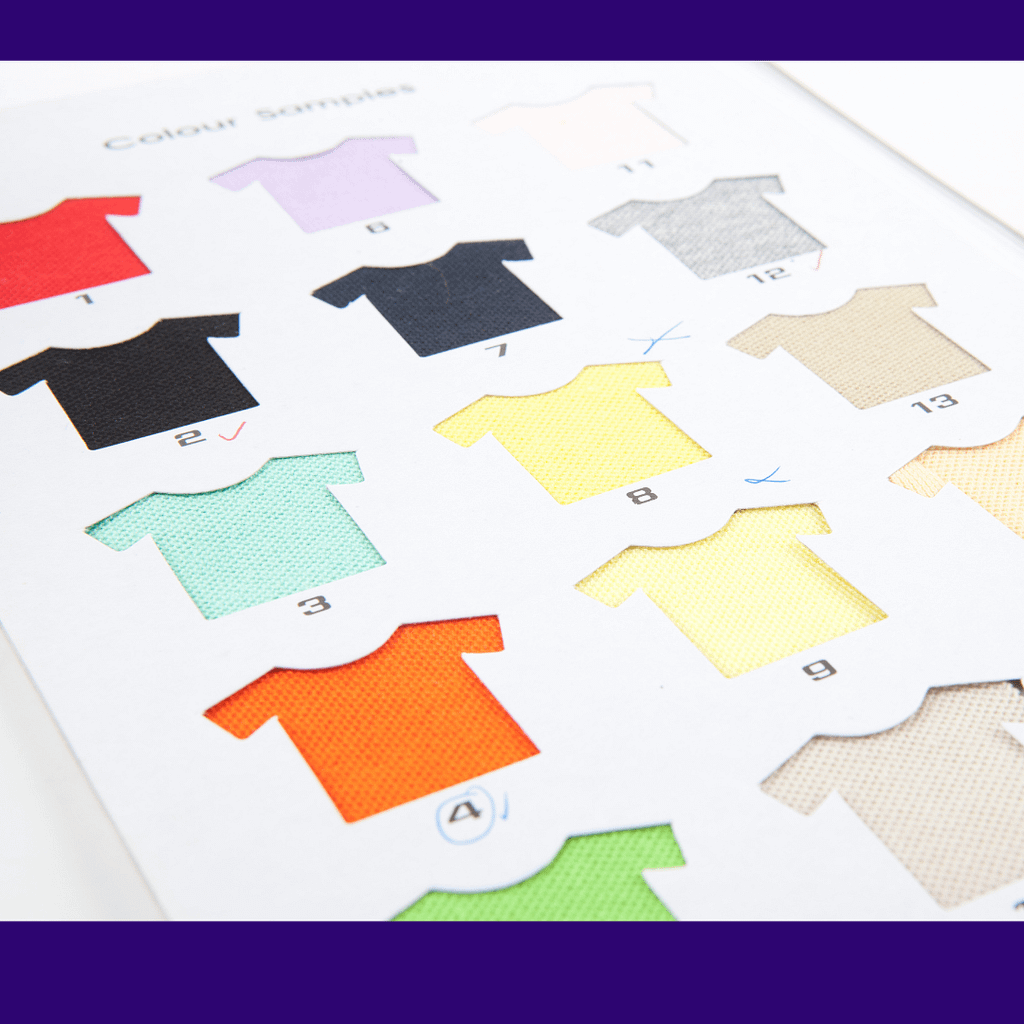
Why a Sample Is Not Just a Test Item, But a Contract Between the Designer and the Factory
Creating the perfect product is a journey filled with collaboration, vision, and technical expertise. Among the many steps in the production process, one key element stands out—the sample. While it might seem like a simple “test” or prototype, the sample is much more than that. It is a vital contract between the designer and the factory, ensuring that both parties are aligned on every detail before production begins. In this article, we’ll explore why the sample is essential and how it functions as a contract in the design and manufacturing process.
The Designer’s Vision: Setting the Stage
When a designer conceives a new product, their vision is clear. Whether it’s an item of clothing, furniture, or a consumer product, the designer knows exactly how they want the finished product to look, feel, and perform. However, translating this vision into a tangible product requires working with a factory that can execute the design with precision.
The sample becomes the first step in bridging the gap between the designer’s imagination and the factory’s capabilities. This is not just about testing materials or colors; it’s about aligning both parties on the overall direction of the product. Without the sample, the designer’s vision is at risk of being lost in translation. The sample is a proof of concept that ensures the design will translate into reality as intended.
The Factory’s Role: Bringing the Sample to Life
For the factory, the sample serves as a starting point for the production process. The factory’s ability to accurately reproduce the designer’s intentions is key to the success of the project. At this stage, the factory is not just executing orders; they are entering into a partnership with the designer.
A well-made sample shows that the factory understands the nuances of the design and has the capability to produce it at scale. This is where communication is essential—from the stitching on a garment to the color of a product’s finish, every detail must meet the designer’s expectations. The sample represents a visual and physical commitment from the factory to the design’s standards.
The Contractual Nature of the Sample
What many people don’t realize is that the sample is, in fact, a contract between the designer and the factory. When the sample is approved, both parties agree to the quality standards, materials, and design elements specified. This serves as a reference point throughout the entire production process.
If there are issues with the final product that deviate from the sample, the factory may be held accountable for failing to meet the terms agreed upon. For the designer, the sample serves as a safeguard, ensuring that they can hold the factory to the standards that were set at the beginning.
In this sense, the sample is more than just a prototype—it is a mutual agreement that protects both parties. Designers can ensure their vision is realized, and factories have a clear roadmap for manufacturing the product to the specified standards.
The Importance of Clear Communication
While the sample is often seen as a test, it’s crucial to recognize the value of clear communication throughout the sampling process. Both the designer and the factory must have open and transparent dialogue to avoid misinterpretation. A sample might need to go through several iterations before it’s finalized, and it’s essential that both parties remain on the same page about expectations and revisions.
This phase requires feedback loops that allow both sides to communicate any adjustments or modifications needed. Whether it’s adjusting the fit of a garment, changing the finish of a product, or tweaking the dimensions, communication is key to achieving the perfect sample. Without constant dialogue, misunderstandings can lead to costly mistakes down the line.
Protecting Both Parties: The Legal Aspect
On a legal level, the sample also serves as a form of protection for both the designer and the factory. For the designer, the sample ensures that their intellectual property is not misused or misinterpreted by the factory. It protects the design from being copied or altered without permission.
For the factory, the sample outlines what is expected in terms of quality and specifications. Factories can use the sample as a point of reference if any disputes arise over the final product. If the designer insists on a change that contradicts the original sample, the factory can refer back to the sample as evidence of the agreed-upon design.
In this way, the sample functions as both a creative and legal document that ensures clarity and accountability. It’s an essential part of the process that protects the interests of both parties involved in production.
Conclusion: More Than Just a Test
In conclusion, the sample is much more than a simple test item—it is an essential contract between the designer and the factory. It ensures that the designer’s vision is clearly communicated and understood, and it serves as a reference point for the entire production process. By aligning both parties on quality standards, materials, and design specifications, the sample lays the groundwork for a successful partnership and a high-quality final product. The importance of the sample cannot be overstated, as it represents a commitment from both sides to bring the designer’s vision to life.