
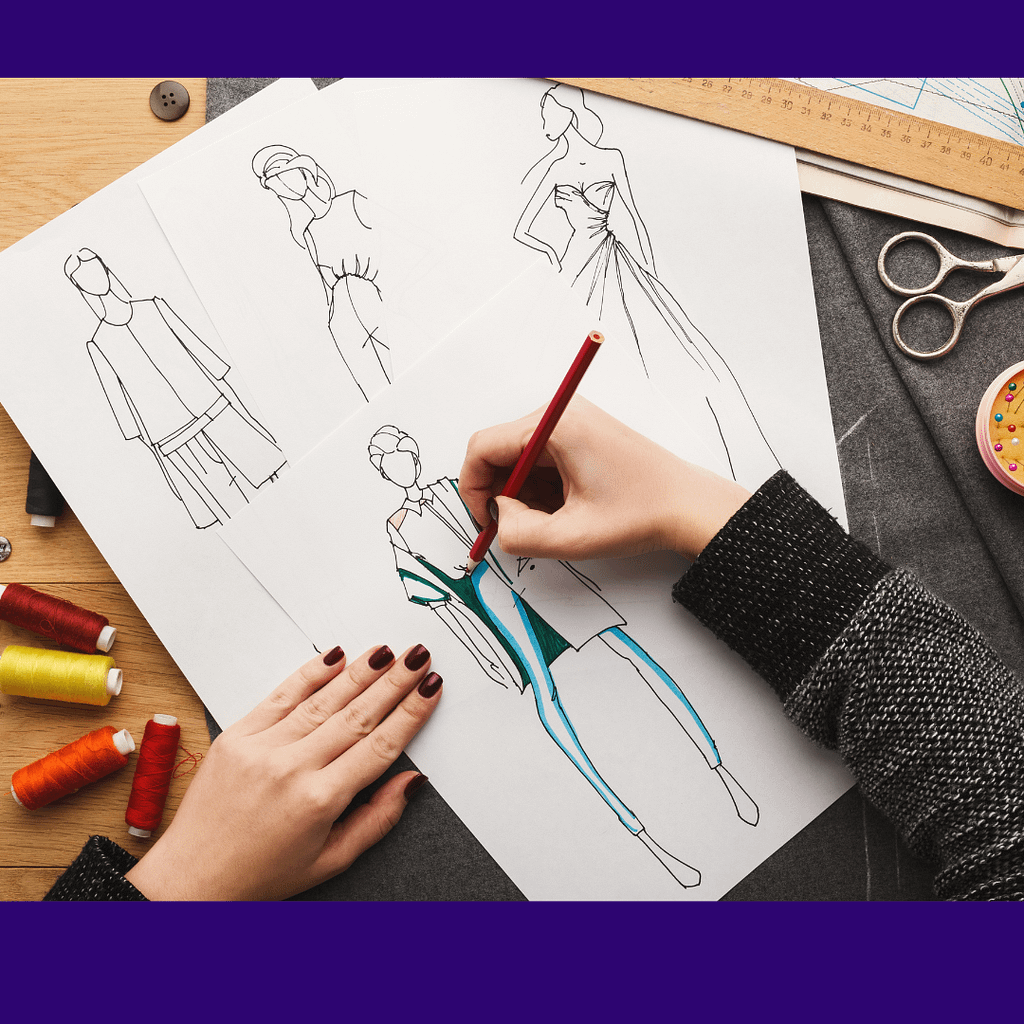
Zero Waste Cutting: Cutting Fabric Without Any Waste – The Honest Truth
Hey there, fellow fashion creators and sustainability lovers! If you’ve ever looked at the piles of fabric scraps left over after cutting patterns and felt a little guilty, you’re not alone. The fashion industry wastes a shocking amount of material every single year. But there’s a smarter, more responsible way forward: zero waste cutting. Today we’re having a real, no-fluff conversation about this powerful approach that’s changing how brands design and produce clothes.
What Is Zero Waste Cutting?
Let’s start with the basics. Zero waste cutting is a design and production method where patterns are created in such a way that almost one hundred percent of the fabric is used. Nothing or almost nothing ends up as scrap in the trash or landfill. Instead of the usual waste that comes from traditional cutting, zero waste patterns are cleverly engineered so every inch serves a purpose.
This approach goes beyond just being eco-friendly. It is a complete rethinking of how garments are designed from the very first sketch. Designers work with the full width of the fabric, considering its grain, print direction, and properties right from the beginning. The goal is simple but powerful: create beautiful, functional clothing while respecting the material and minimizing environmental impact.
Some people call it zero waste pattern cutting or zero waste fashion design. Whatever name you use, the core idea remains the same – stop treating fabric scraps as inevitable and start treating them as a design challenge to solve creatively.
Why Traditional Cutting Creates So Much Waste
To understand why zero waste cutting matters, we need to look honestly at the current system. In conventional fashion production, designers create individual patterns for each garment piece – front, back, sleeves, pockets, collars. These patterns are then placed on large spreads of fabric to be cut in bulk.
Here’s the reality: most traditional patterns only achieve around seventy to eighty percent fabric utilization. The rest becomes offcuts. These scraps often cannot be reused effectively because they come in irregular shapes and mixed colors. They end up in landfills, get incinerated, or at best downcycled into lower-quality products.
This waste is not just an environmental issue. It is also an economic one. Every meter of wasted fabric is money thrown away – money spent on raw materials, dyeing, transportation, and processing. For small and medium brands working with premium or sustainable fabrics, this loss hurts even more. When you’re already paying more for organic cotton or deadstock materials, watching twenty-five percent of it disappear as scraps feels incredibly frustrating.
How Zero Waste Cutting Techniques Actually Work
So how do brands actually achieve zero waste cutting? It is a mix of creative design thinking and smart technical approaches. One of the most popular methods is jigsaw puzzle patterning. Designers arrange all the pattern pieces like pieces of a puzzle so they fit together perfectly with no gaps. This often results in unique silhouettes and creative seam placements that become signature design elements.
Another powerful technique involves modular design and geometric patterns. Using rectangles, squares, and triangles allows fabric to be used with maximum efficiency. Some designers work directly with the fabric width, creating garments that use the entire roll from selvedge to selvedge.
Modern technology is also playing a huge role. Advanced three-dimensional design software and specialized pattern-making programs help designers test zero waste layouts virtually before cutting anything. Artificial intelligence is even being used to optimize pattern placement in ways human eyes might miss. For more experimental approaches, some brands use draping techniques or subtraction cutting, where the garment is created by removing minimal fabric rather than cutting separate pieces.
The most successful zero waste projects start at the very beginning of the design process. Instead of designing a garment and then trying to optimize the pattern, designers begin with the fabric and let the material guide the creative direction.
The Real Benefits of Adopting Zero Waste Cutting
The advantages of zero waste cutting go far beyond just feeling good about being sustainable. First and foremost, it can significantly reduce material costs over time. When you use nearly every centimeter of fabric you purchase, your cost per garment often drops, improving your margins.
From a marketing perspective, zero waste cutting gives brands a powerful, authentic story to tell. Today’s conscious customers want transparency and real action, not just greenwashing. Being able to say your collection was created with zero fabric waste is incredibly compelling and helps build deeper emotional connections with your audience.
There are also creative benefits. Many designers report that working within the constraints of zero waste patterns actually sparks more innovation. The limitations force you to think differently, resulting in fresh silhouettes, interesting details, and truly unique garments that stand out from mass-produced fashion.
On the production side, less waste means smoother operations, fewer disposal costs, and often happier factory partners who appreciate working with more efficient systems.
Getting Started with Zero Waste Cutting in Your Brand
Ready to explore zero waste cutting for your own collection? The good news is you don’t have to go all-in immediately. Many brands start small by converting one or two best-selling styles into zero waste patterns. This allows you to test the process without high risk.
Begin by educating your design team or working with a pattern maker experienced in zero waste techniques. Invest in good pattern software that supports efficiency calculations. Consider collaborating with fabric mills that understand this approach and can supply materials in specific widths that work well with zero waste layouts.
Be prepared for a learning curve. Your first attempts might take longer and the silhouettes may feel different from what you’re used to. That is completely normal. The key is to stay patient and treat it as an exciting creative challenge rather than a strict rule.
The most successful brands combine zero waste cutting with other sustainable practices such as using deadstock fabrics, working with ethical factories, and designing for longevity. It becomes part of a bigger commitment to responsible fashion rather than a standalone gimmick.
At the end of the day, zero waste cutting represents a more thoughtful, respectful way of creating clothes. It shows that we can be creative, profitable, and responsible at the same time. The technology and knowledge exist right now – it is up to us as an industry to embrace them.
What do you think? Have you tried any zero waste techniques in your production? I would love to hear your experiences in the comments.