
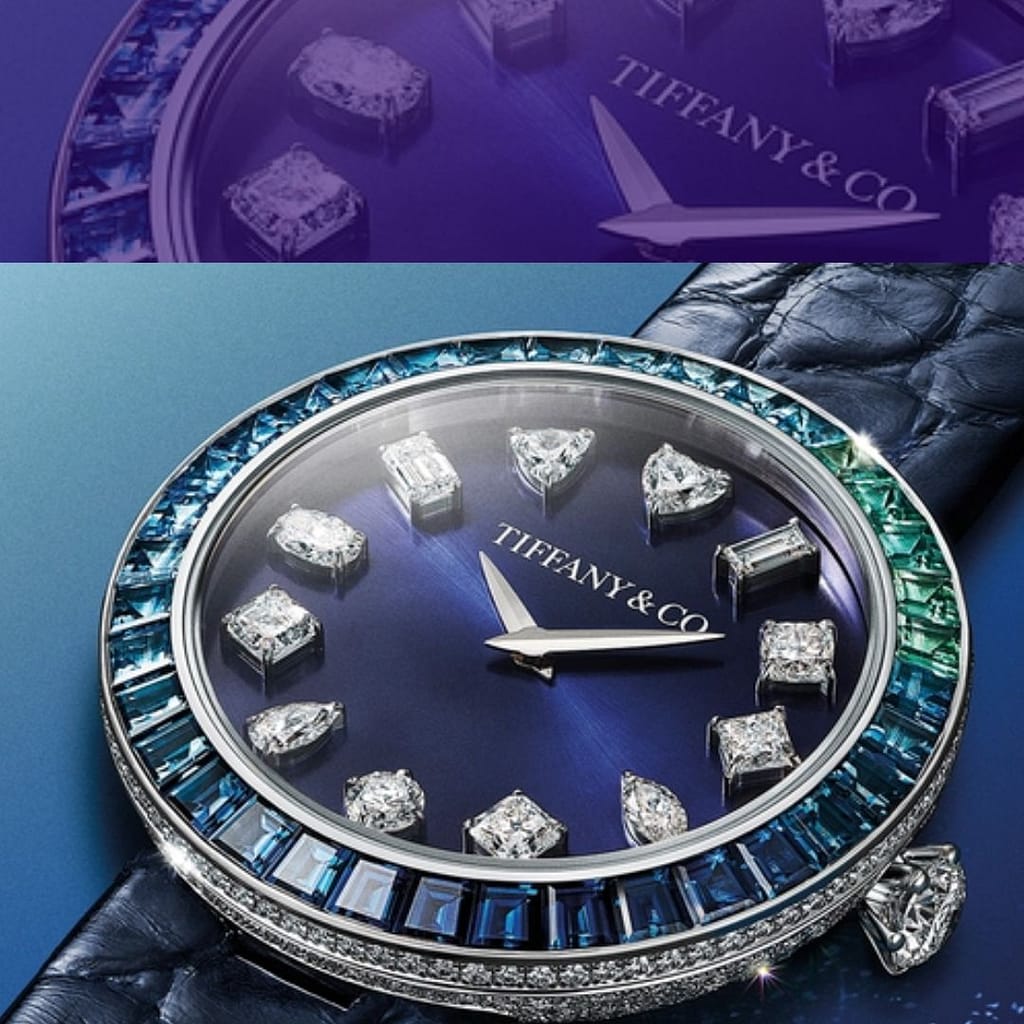
Luxury Brand Psychology: Why We Buy to Feel Superior
Luxury brand psychology is not really about the product. It is about a feeling. Brands do not just sell a bag or a watch. They sell the right to feel better than everyone else, even if only for a moment.
The Story
Ashley walked into the office on Monday wearing a new Cartier watch. It was not planned. On Friday, her whole team went to dinner after a big presentation. Nobody invited her.
She found out from someone else’s story on Saturday morning. She scrolled through the restaurant photos three times. She noted who sat where. Then she closed her phone. That day she was strangely productive. She cleaned the apartment. She sorted her closet. She drove to the mall.
The staff at the boutique knew her by name. She was not a regular customer, but the salesperson remembered her from a previous visit, when she tried on a model but did not buy it. This time she bought it right away. She barely looked at the price. A Tank with a gold bracelet.
At checkout, they offered to engrave the back. She said no. But she asked them to leave the plastic film on the face, so the watch would still look brand new for a few more days.
On Monday, she rolled up her jacket sleeve a little higher than usual, before the whole team gathered.
Jenna from marketing noticed first. “Wow, is that the new model?” Ashley nodded, as if it were an accident, as if she had not spent three evenings comparing three versions of the bracelet.
By lunchtime, the whole floor knew about the watch. Someone asked to see it up close. Someone asked the price directly. Ashley said the number with an ease she had not felt since Friday.
That evening at home, taking off the watch before her shower, she caught her reflection in the mirror. Her face looked tired. The same tired as Saturday. The dinner she was not invited to had not disappeared. It was just easier not to think about it now.
Two weeks later, a colleague from another department showed up with a watch that was newer and more expensive. Ashley congratulated her out loud. Then she spent the rest of the day opening the brand’s website on her phone under the desk.
What Happens From a Psychological Point of View
The Trigger Behind the Purchase
Ashley’s story describes a pattern psychologists call compensatory shopping. A person uses a purchase to fill an emotional gap that has nothing to do with the item itself. It might be social exclusion, a wounded ego, or a lost sense of control.
The trigger was not a desire for a new watch. It was social rejection. Ashley was left out of dinner, and this activated a basic human need to belong to a group. Buying a luxury item became a fast way to restore status, without dealing with the actual source of the pain.
Symbolic Capital and Status
The rolled up sleeve. The ease of saying the price out loud. The reaction from coworkers. All of this is part of one process. A luxury item does not function as an accessory here. It works as symbolic capital, a signal that other people read and that temporarily returns a sense of importance to the owner.
The Reward Loop in the Brain
The relief Ashley felt when the whole floor started talking about her watch has a clear explanation. Social approval and status driven purchases activate similar reward systems in the brain. The result feels like a burst of likes on a post. It is short. It feels good. It does not solve the original problem.
Why the Relief Never Lasts
This is why, that evening, looking in the mirror, Ashley saw the same tired face. A compensatory purchase does not remove the source of discomfort. It only delays it, creating a temporary illusion of resolution. Once the novelty fades, the anxiety comes back, often with a new trigger, like someone else’s newer watch.
Luxury brands build their marketing around exactly this cycle. They do not sell a single purchase. They sell a repeating feeling of temporary superiority that always needs to be refueled. Self worth built on an external symbol is never stable, because it depends on other people’s eyes, and that means it always needs one more confirmation.

