
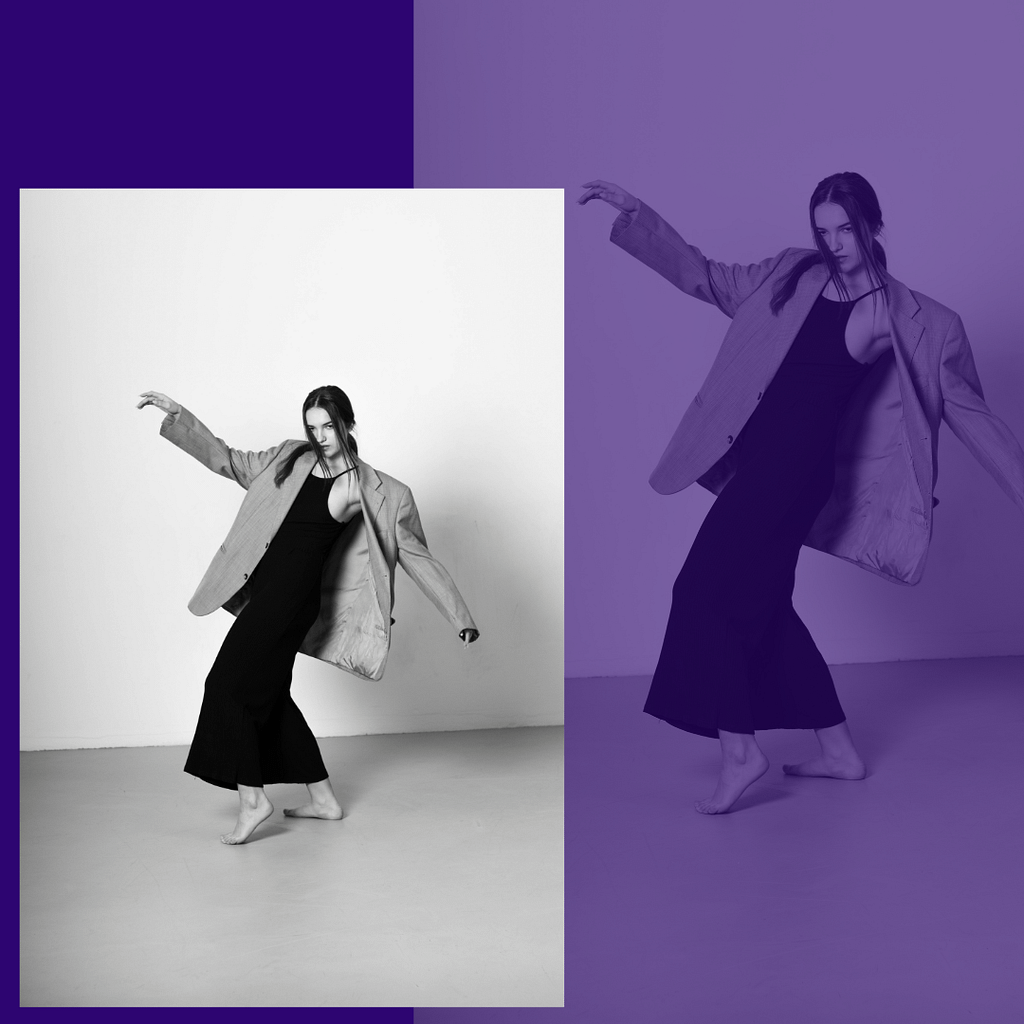
Clothes and Loneliness: What We Wear When We Feel Unloved
Clothes and Loneliness: What We Wear When We Feel Unloved
Clothes and loneliness are closely linked. When we feel unloved, we often dress to disappear. Claire knew this feeling well. Her story shows how one small choice can change a lot.
Claire and the Gray Sweater
Claire wore the same gray sweater for ten months. It was stretched out. It had pilling on the elbows. It was two sizes too big. She called it her home sweater. Still, she wore it to work, to the store, and to rare coffees with colleagues. Those coffees always ended with a polite “see you around.”
She had moved for a new job. The town was quiet and the people were friendly. But nobody knocked on her door. Her phone stayed silent in the evenings. Nobody asked about her day. Slowly, she stopped asking herself too.
The sweater became her way to vanish. It was soft, shapeless, and gray. It told the world, “Don’t look at me.” In the morning it felt like comfort. By evening it felt more like an apology.
In November her younger sister Ellen came for the weekend. While Claire made tea, Ellen opened the closet to find a hanger. Then she froze. Gray, beige, and black filled every row. It was clothing that tried hard not to look like anyone.
“When did you last buy something just because you liked it?” Ellen asked.
Claire wanted to joke. Instead she heard herself say, “Why bother? Nobody is looking anyway.” Silence followed. She had said out loud what she carried for months. She dressed for an audience that did not exist. And if nobody looked at her, she did not have to look either.
Ellen did not lecture. She pulled a small package from her bag. Inside was a deep blue shirt. “I saw it and thought of you.”
Claire left the shirt on a chair for a week. Then, on an ordinary Tuesday, she put it on just to test it. Nothing happened. Nobody called. Nobody knocked. But as she passed the hallway mirror, she did not look away. It was the first time in a long while.
Why Clothes and Loneliness Go Together
When we feel unloved, clothes stop being self expression. They become protection. People usually choose one of two strategies.
The first strategy is to hide. We pick neutral, shapeless, and unnoticeable pieces. The second is to wear armor. We pick strict, dark, and flawless outfits so nobody sees our pain.
Both strategies share one idea. We prepare for rejection early. So we try to soften the hurt before it comes.
What Enclothed Cognition Tells Us
Psychologists Hajo Adam and Adam Galinsky named this effect “enclothed cognition.” What we wear changes how others see us. It also changes how we think and feel. Clothes work like a quiet message to ourselves.
Because of this, hiding clothes have a cost. If we wear them day after day, we repeat the same message. That message says it is better if nobody notices me.
Kristin Neff studies self compassion. She suggests a kind approach. Treat yourself the way you would treat a close friend. Clothes are one of the simplest ways to try it. This is not about shopping. It is about attention.
Three Questions to Ask Before the Mirror
- Do I choose this piece because I like it, or because it hides me?
- How would I dress to meet someone who loves me?
- Which one small detail can be kinder to me today?
Claire never threw away the gray sweater. It sits on the bottom shelf. She wears it on rainy evenings because it is truly cozy. The difference is simple. Now it is a choice, not a hiding place.
Sometimes love does not start with someone knocking. It starts when we open the door ourselves. Clothes and loneliness do not have to stay together forever.
What do you reach for in your closet on hard days? Share it in the comments.