
An In-Depth Look at the Technical Aspects of Iconic Brand Collections: Chanel
When we talk about iconic fashion brands like Chanel, we often get caught up in the buzz of luxury, style, and glamour. However, behind every timeless piece from such brands, there’s a technical mastery at work that elevates them beyond just “fashionable.” In this article, we will take a closer look at the craftsmanship, patterns, fabrics, and sewing techniques that make Chanel one of the most revered names in the fashion industry.
1. The Craftsmanship Behind Chanel’s Iconic Pieces
Chanel, founded by the legendary Coco Chanel in the early 20th century, is known for its intricate craftsmanship. The brand’s focus has always been on creating garments that are not only stylish but also meticulously crafted for comfort, longevity, and functionality. Each Chanel piece is the result of countless hours of skilled labor, from sketching to stitching.
The brand is especially famous for its attention to detail and the handmade nature of many of its collections. For example, Chanel suits, widely recognized for their elegance, are often hand-sewn, ensuring the fit is impeccable and the final product is of the highest quality. These garments are not simply mass-produced. Instead, they involve skilled artisans working carefully to ensure that every stitch is perfect.
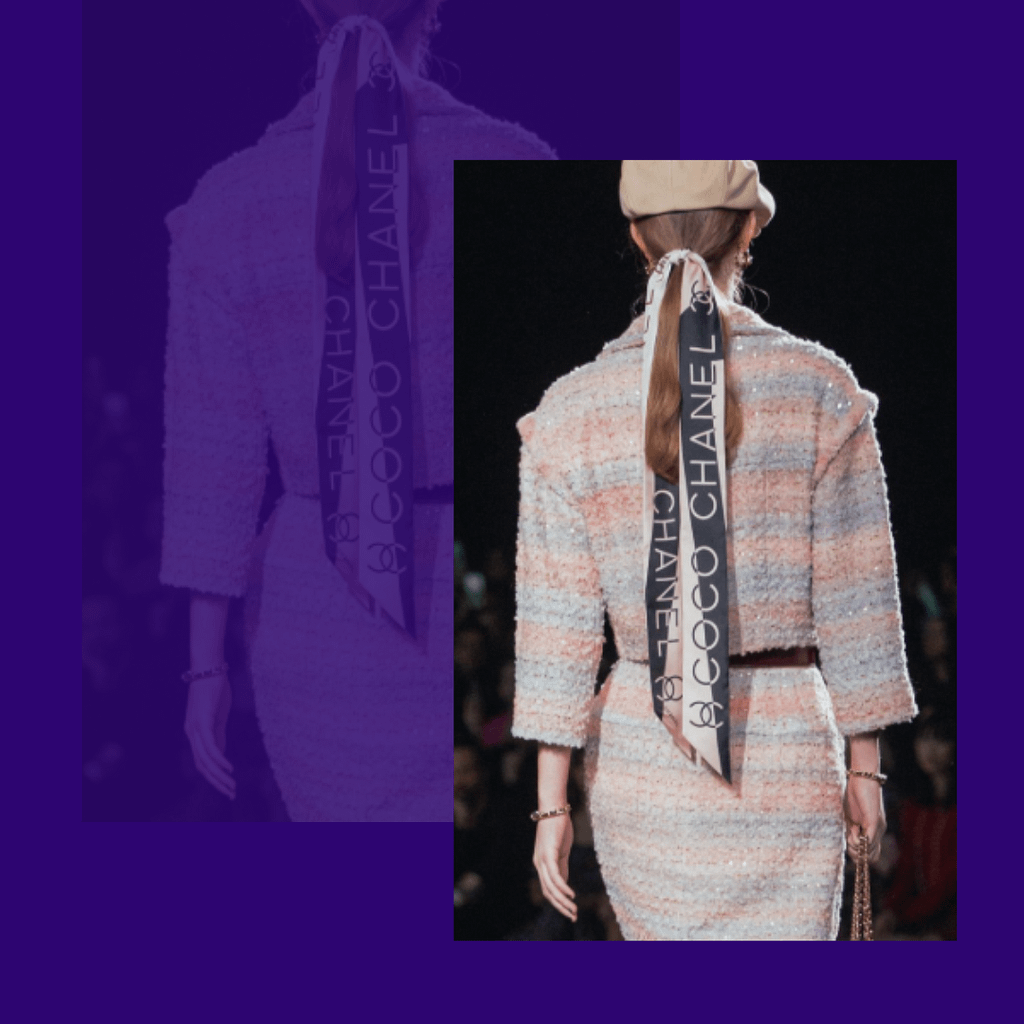
One of the most notable examples of Chanel’s craftsmanship is the iconic tweed jacket. This classic item is not only loved for its style but also for its technical construction, where the fabric itself is woven by hand in intricate patterns, using a technique that dates back to the brand’s early years.
2. The Role of Fabrics: From Tweed to Silk
When discussing Chanel, fabrics play a vital role. The brand’s use of materials is one of the key factors that set it apart from many other luxury fashion houses. Tweed, for instance, is perhaps one of the most iconic fabrics associated with Chanel. Coco Chanel famously introduced tweed jackets into women’s wardrobes, breaking away from the more traditional, rigid suits of the time.
What makes Chanel’s tweed jackets so special is the unique blend of fibers. Tweed is a durable, yet stylish fabric, often made from wool and occasionally incorporating silk or cotton. Chanel tweed jackets often feature multiple colors woven together in a pattern that is both complex and visually stunning. These multicolored threads are selected with great care to create a finished product that feels both timeless and fresh.
Silk, another fabric frequently used in Chanel collections, provides a sense of luxury and fluidity that contrasts with the more structured feel of tweed. When paired with other fabrics like cotton, chiffon, or lace, silk brings an elevated elegance to the brand’s collections. The use of these fabrics is not only about appearance but also about the experience they provide to the wearer.
3. The Cutting Techniques That Define Chanel
One of the most important aspects of Chanel’s design process is the technique used to cut the fabrics. Cutting, or pattern making, plays a crucial role in achieving the perfect fit and structure of each garment. Chanel’s tailor-made pieces are famous for their clean lines and ability to enhance the natural silhouette of the body.
The patterns used by Chanel are often customized for each piece. The design process begins with a draped fabric, which is carefully pinned and adjusted to match the figure of the client. This allows for a perfect fit, which is the hallmark of Chanel’s craftsmanship. Each garment is not merely sewn together but rather constructed to flatter the body while still maintaining the timeless aesthetic that the brand is known for.
Chanel’s focus on fit ensures that the garments follow the natural contours of the body, which is especially important for items like jackets and dresses. The cutting technique also accounts for how a garment will hang, ensuring that the fabric flows seamlessly and the shape of the garment is maintained.
4. The Sewing Techniques: Precision in Every Stitch
Behind every Chanel creation is a team of expert seamstresses who bring the designer’s vision to life. Chanel’s sewing techniques are based on precision and quality control. The sewing process is a combination of machine stitching and hand finishing. While modern technology has made its way into the fashion world, Chanel has maintained its commitment to handcrafted elements, especially in its high-end collections.
Each stitch is carefully placed to ensure the garment’s durability and the highest level of precision. For instance, the stitching on Chanel’s iconic quilted leather bags is a fine example of the brand’s attention to detail. The technique used in these bags not only enhances the aesthetic but also ensures they stand the test of time. The famous interlocking C’s logo, which is featured on most Chanel bags, is often hand-sewn, ensuring a flawless finish.
The finishing techniques are just as important as the initial stitching. The final steps include attaching buttons, zippers, and other embellishments. These elements are carefully selected and added in a way that complements the overall design without detracting from its elegance.
5. The Legacy of Chanel’s Technical Mastery
Chanel’s influence on the fashion industry is undeniable. While the brand is often associated with its glamorous Coco Chanel perfume and quilted bags, its technical approach to design is just as important. The brand’s ability to combine craftsmanship, quality fabrics, innovative patterns, and precision stitching has solidified its place in the fashion elite.
The technical aspects of Chanel collections are often overlooked by the general public, but they are what give the brand its timeless quality. Every detail is considered, from the way a fabric is chosen to how a garment is constructed. Chanel’s focus on functional luxury ensures that each piece is not only beautiful but also made to last, offering both style and substance.