
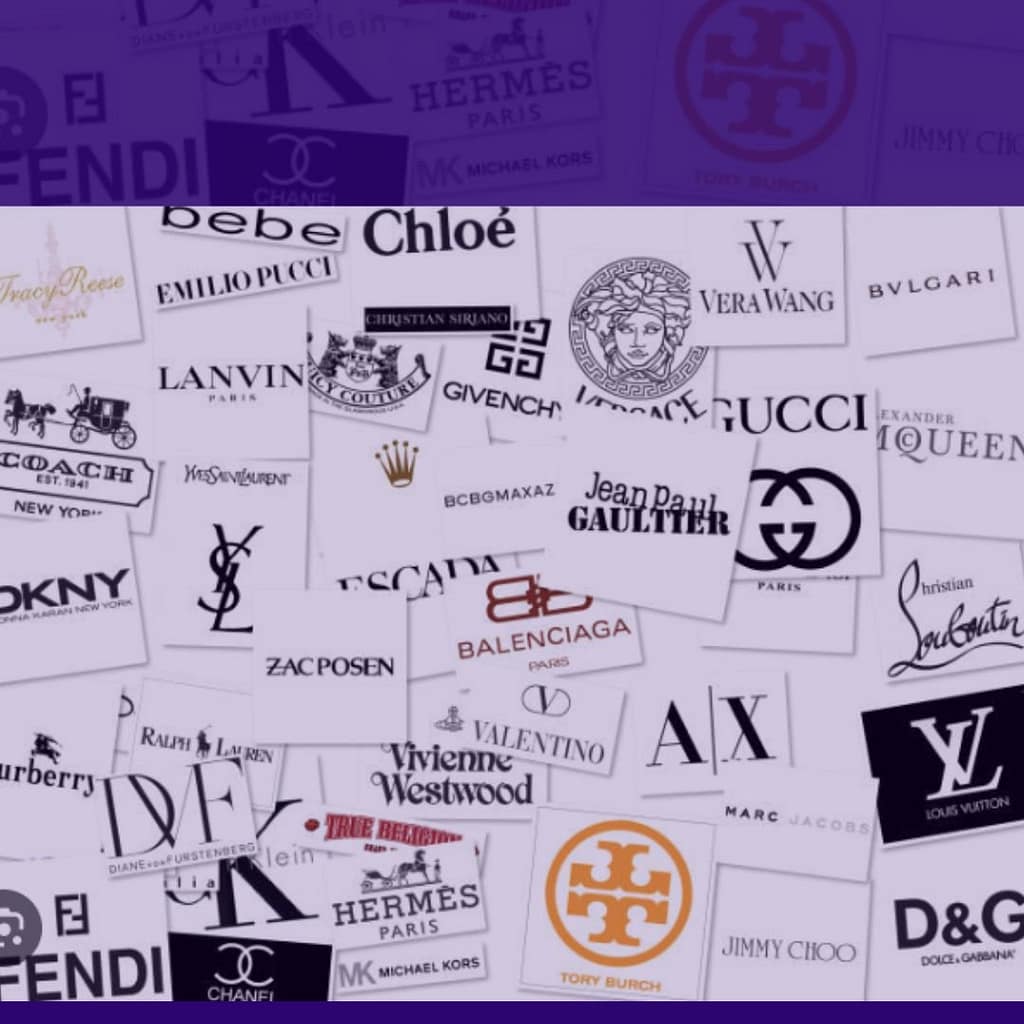
Brand DNA: Why Canceling a Designer Rarely Kills a House
A designer vanishes from the headlines after a scandal. So the collapse of the whole company feels like the next logical step. Yet fashion history says the opposite. In fact, brand DNA usually outlives the person who created it. That stays true even when the founder leaves in disgrace rather than by choice. To understand why, stop thinking about a brand as a human being. Start thinking about it as code.
Brand DNA is code, not a person
Every major fashion house carries its own genetic code. It is a set of visual, emotional and structural decisions. The founder fixes them once, at the very beginning. Above all, it is a silhouette that repeats for decades. It is also an attitude toward the body, the fabric and the color. Most importantly, it defines who the clothes actually speak to.
A founder does not invent the house again every season. Instead, he formulates the code once. After that, the code lives on its own. It runs on different performers, like a program.
Because of this, a company does not hunt for a new genius with a brand new vision. It looks for someone who can read the existing code. It looks for someone who already speaks that language.
The archetype beats the personality
Brand psychology often works with archetypes. The Rebel. The Creator. The Sage. The Lover. The Guardian. A fashion house grows around an archetype, not around one person. Of course, that person once embodied the archetype more vividly than anyone else. Still, the customer falls in love with a feeling. He does not fall in love with the designer. The designer simply packaged that feeling well.
So when the industry cancels him, the feeling does not leave with him. The audience still wants it. Therefore the house finds a new person who can reproduce it.
This explains a familiar move. After a scandal, a house often hires someone with an almost opposite way of living. Yet that person can repeat the silhouette with precision. He can repeat the drama of the show. He can repeat the recognizable details of the cut. In short, the new designer does not arrive to rewrite the code. He arrives to transmit it.
The founder pattern repeats itself
Here sits the real mechanism of stability. Every new creative director repeats the founder pattern. Sometimes he does it on purpose. Sometimes he does it without noticing. Either way, this is not plagiarism. It is also not a lack of talent. Rather, it is the condition for surviving in the role. The market does not wait for a new brand. The buyer waits for a familiar archetype in fresh packaging.
Even the boldest directors announce a revolution. In practice, though, they keep the structural constants. They keep the proportions. They keep the signature elements. They keep the emotional tone of the communication. As a result, the revolution happens on the surface. The color changes. The material changes. The campaign changes. The brand DNA does not.
Why a scandal rarely breaks the system
A cancellation damages the reputation of one human being. However, it rarely touches the archetype. The archetype belongs to the collective imagination of the audience. It does not belong to a name on a label.
So the house needs only one thing. It needs a new performer who speaks the language of the existing brand DNA. Then loyalty travels with the archetype. It does not stay attached to the compromised name.
The designer leaves, the brand DNA stays
That is why big houses survive the exit of their most iconic figures. Brand DNA is older than any single scandal. It is also stronger. Designers arrive and designers leave. Meanwhile, the founder pattern remains.