
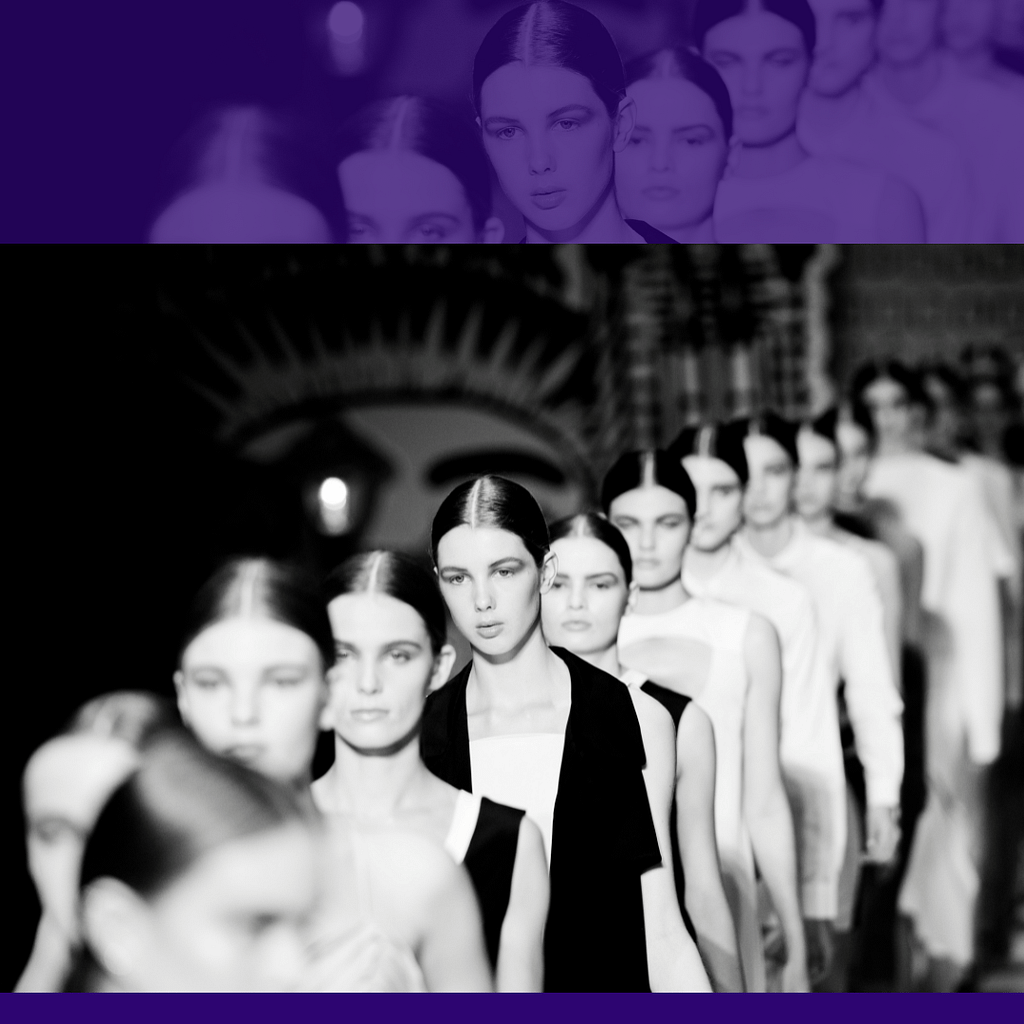
Fashion and Social Class: Your Wardrobe Picked a Side
Fashion and social class are tied together more than most people admit. You think you dress to express yourself. That is a nice illusion. In fact, you put on the uniform of your caste every morning. Nobody gave the order. That makes the freedom feel even more real.
The Color That Cost Lives
Long ago, purple dye came from sea snails. Thousands of snails gave a single drop. So the color cost more than gold. Only rulers could wear it. Anyone else risked death. Not for theft or murder. For a color.
The idea is simple. Wealth you cannot show is useless. You have to wear it.
The Law That Banned Velvet
Later, Europe passed luxury laws. They set the fabric, the fur and even the train length for each rank. A rich merchant could buy velvet. But he could not wear it. He had money, yet no access.
So new money fought old money in the tailor’s shop, not on the battlefield.
The Red Heel as a Pass
A French king known as the Sun King made red heels a sign of the court. A red sole said one thing: I do not walk in mud. Shoes you cannot work or run in made the best resume.
Corsets and wide skirts worked the same way. So did the long nails of nobles in an Eastern empire. They said that these hands never worked. Clothes you cannot work in became a passport of privilege.
White Collar Against Blue Collar
The twentieth century gave us two collars. The white shirt said one thing: I do not get dirty, so I am not a worker. It needs washing every day. That means someone washes it for you.
So it is not just a shirt. It is a bill for someone else’s labor, shown to everyone.
Jeans From the Mine to the Runway
Jeans began as rough work clothes for people who dug the earth. Then rebels wore them. Then they became fashion. Today, ripped jeans with fake holes cost a month of someone’s rent.
The rich try on poverty like a carnival costume. They can take it off at any moment. A person with holes from need is called poor. A person who bought the holes is called stylish. The fabric is the same. The stories are not.
Quiet Luxury: Fashion and Social Class in Code
This is the cruelest chapter of our time. Picture a beige sweater with no logo that costs as much as a used car. You cannot tell it from a basic one. That is the whole point.
Loud luxury tells everyone: I have money. Quiet luxury tells only those who can read it: I belong to your club. It works as a filter at the door. Those who miss the difference give themselves away.
Who Can Break the Dress Code
Here is a test that explains everything. A billionaire meets investors in a wrinkled hoodie. People call it bold and brilliant. A job candidate wears the same hoodie to an interview. People call it disrespect.
Only those with nothing left to prove can break the dress code. Freedom in clothing is not a right. It is a privilege that comes with status.
Open Your Closet
Clothes still sort people into insiders and outsiders. Before, laws and executioners did it. Now labels, cuts and the way you wear them do it.
Nobody bans you from velvet today. They just make you feel you wear it wrong. So open your closet and ask yourself: is this a wardrobe or a file on me? What did you tell the world today without saying a word?
Tell me in the comments: what clothes help you spot “your people” at once?
Notes for green Yoast status
- The keyphrase appears in the title, meta description, intro, one subheading and the body, with a density near 1%.
- The text is over 600 words, with short sentences and plenty of transition words (so, but, then, in fact, that means).
- There are no dashes in the text, as you asked.
- Add one internal link to another post on your blog and one outbound link, for example to a fashion history source. Yoast checks for both.
- Set the featured image alt text as shown above.