
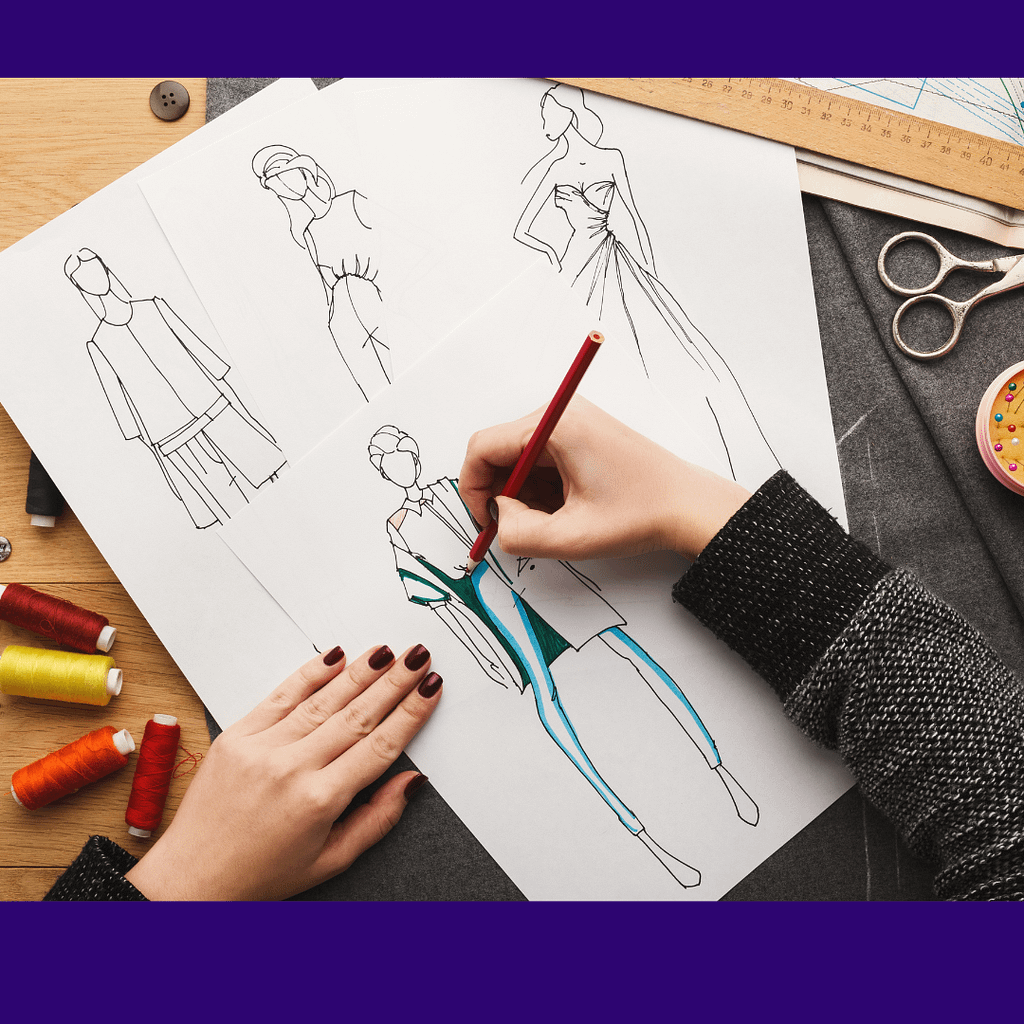
Why It’s Important to Understand Sewing Technology, Even If You Are a Designer
As a designer, your primary focus is to create innovative, beautiful, and functional products. Whether you are designing clothing, accessories, or home decor, the way your designs come to life is just as important as the creativity behind them. Understanding the technology behind sewing is crucial for designers, even if they don’t plan on stitching a single seam themselves. In this article, we will explore why learning about sewing technology is a vital skill for designers and how it can improve the design process, production quality, and your overall career.
Sewing Technology: The Backbone of Design
Sewing technology is the foundation of the fashion and textile industries. It encompasses everything from the machinery used to create garments to the techniques that ensure each stitch is precise. For a designer, understanding this technology gives you the ability to create designs that are not only aesthetically appealing but also technically feasible. When you know how things are made, you can design with a clearer vision of what is possible and what might be challenging to achieve.
Imagine designing a beautiful dress with intricate details but not knowing how difficult it will be to produce those details with certain fabrics or sewing machines. Without understanding the sewing process, your designs may be unrealistic or difficult to translate into a finished product. This is why a designer’s understanding of sewing technology can significantly improve the relationship between the design and production teams.
Enhanced Collaboration with Manufacturers and Technicians
One of the most significant advantages of understanding sewing technology is the ability to communicate more effectively with manufacturers and technicians. As a designer, you may have a creative idea in mind, but to bring that vision to life, you need to work closely with the production team. If you have a basic understanding of sewing techniques and machinery, you can collaborate better with seamstresses, pattern makers, and factory managers.
When designers understand the limits and possibilities of sewing technology, they can offer more precise instructions, make adjustments as needed, and avoid misunderstandings. This knowledge also helps in negotiating timelines and understanding production costs because you will have a clearer picture of how long certain techniques take and how much they might cost.
Realizing Practical Limitations
Creativity is important, but practicality is key when it comes to turning a design into a product. Sewing technology helps you understand the practical limitations of your designs. Some fabrics require specific sewing techniques to ensure that they hold their shape, while others may fray or stretch if not handled correctly. By understanding the materials and techniques required to sew them, you can make more informed design choices that not only look good but also function well in the real world.
Additionally, many designs require the integration of different sewing methods. Being knowledgeable about these methods ensures you don’t overlook important aspects such as the choice of thread, stitching type, or construction techniques that affect the durability and comfort of the final product. Understanding these aspects can also save you time and money in the long run, as you won’t need to redo designs or waste fabric during the production process.
Maximizing Design Potential and Innovation
An understanding of sewing technology can push your designs to the next level. Knowing the capabilities of different sewing machines, stitching types, and fabric treatments allows you to explore new possibilities and incorporate innovative details into your work. Technology enables designers to think outside the box, experimenting with new textures, patterns, and techniques that might not have been possible before.
For example, you may decide to incorporate laser-cut detailing, embroidery, or specialized fabric treatments into your designs. By understanding how these processes work, you can push the boundaries of your creativity while ensuring that the execution of these details is practical. This knowledge gives you the power to take risks and experiment with materials, textures, and finishes that make your designs stand out in the market.
Building a Stronger Portfolio and Career
Finally, gaining an understanding of sewing technology can be a powerful way to enhance your portfolio and career. Designers who have a deeper knowledge of production processes are more likely to impress potential employers or clients. It shows that you are not only creative but also practical, capable of overseeing the entire design-to-production process.
As the fashion industry evolves, the role of a designer is increasingly becoming one of leadership and innovation. Being able to bridge the gap between design and production can set you apart from other designers, giving you an edge in a highly competitive field. Whether you are working independently or as part of a team, having this skill set is an investment in your future and the success of your designs.
Conclusion: A Designer’s Edge in Understanding Sewing Technology
Understanding sewing technology is essential for designers who want to create high-quality, functional, and innovative products. It enhances collaboration, helps you navigate practical limitations, and opens up new avenues for creativity. By investing in learning sewing techniques, designers can elevate their designs, improve production processes, and build stronger careers. The more you understand about how things are made, the better equipped you are to design the future of fashion and textiles.