
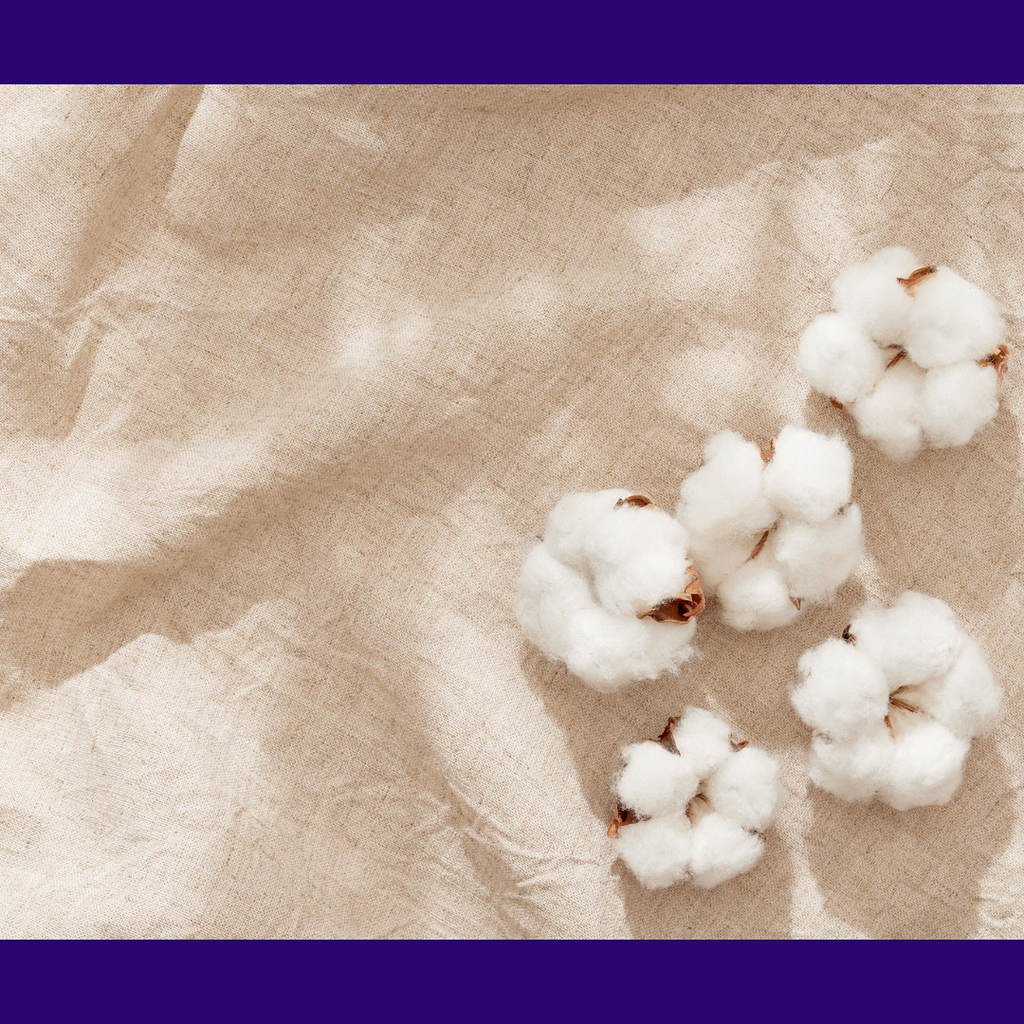
Organic Cotton Production and GOTS Certification: Myths and Reality
The rise in eco-conscious consumerism has spurred a growing demand for sustainable and ethically produced goods. One of the key players in this movement is organic cotton, a natural fiber celebrated for its minimal environmental impact. However, despite its increasing popularity, misconceptions still surround both the production of organic cotton and its certification under the Global Organic Textile Standard (GOTS). In this article, we’ll take a closer look at the myths and realities of organic cotton and GOTS certification to help you understand what’s true and what’s not.
The Basics of Organic Cotton Production
At its core, organic cotton is produced without the use of synthetic pesticides, herbicides, or fertilizers. The land where organic cotton is grown must adhere to strict guidelines, which prioritize soil health and the use of natural farming techniques. Unlike conventional cotton farming, which heavily relies on chemical inputs, organic cotton farming emphasizes biodiversity and sustainability.
Real Talk: Is Organic Cotton Really Better for the Environment?
While organic cotton is undoubtedly a more eco-friendly option compared to conventionally grown cotton, the reality is more nuanced. Organic cotton farming still requires significant water usage, and its environmental impact depends on several factors, including the climate, farming practices, and the distance the cotton travels before being processed. However, the absence of harmful chemicals does lead to improved soil quality and better conditions for the local ecosystem.
GOTS Certification: What Does It Really Mean?
The Global Organic Textile Standard (GOTS) is the leading certification for organic textiles. GOTS ensures that cotton products meet stringent environmental and social criteria throughout their entire production process—from cultivation to final garment creation. The certification involves multiple levels of assessment, including the use of non-toxic dyes, the absence of harmful chemicals, and ensuring that workers are paid fair wages and treated ethically.
Myth: GOTS Certification Guarantees a Perfectly Sustainable Product
One common myth about GOTS certification is that it guarantees a fully sustainable, eco-friendly product. While GOTS-certified products are certainly a step in the right direction, it’s important to understand that certification alone doesn’t guarantee absolute sustainability. There are still various challenges, such as the energy used in manufacturing or transportation emissions. Moreover, GOTS certification only applies to products with a certain percentage of organic cotton (at least 70%), so not all “organic” cotton products you see on the shelves are GOTS certified.
The Social Side of GOTS: Fair Labor Practices
In addition to its environmental standards, GOTS is also deeply committed to fair labor practices. The certification requires that workers involved in the cotton production process are treated fairly and are provided with safe working conditions. This includes prohibitions on child labor and forced labor, ensuring that the rights of workers are upheld.
Real Talk: Is GOTS Always Enforced Strictly?
While GOTS certification is a strong indicator of fair labor practices, the reality is that enforcement can vary. Due to differences in local regulations and the challenges of global supply chains, some regions may struggle with ensuring compliance across all areas. This means that while GOTS provides important safeguards, it doesn’t eliminate all potential risks when it comes to the treatment of workers in certain parts of the world.
The Price of Organic Cotton: Why It Costs More
One of the most significant differences between organic cotton and conventional cotton is price. Organic cotton products typically come with a higher price tag due to the labor-intensive farming practices and the costs associated with obtaining GOTS certification. Farmers must invest in soil management and may harvest lower yields than conventional cotton farmers.
Myth: Organic Cotton Is Always Too Expensive for the Average Consumer
While it’s true that organic cotton is more expensive to produce, the price difference may not be as large as some expect. In fact, with growing consumer demand and more efficient production techniques, the cost of organic cotton is gradually becoming more affordable. Brands that produce organic cotton products in large volumes can often pass the savings on to customers. Furthermore, many people are willing to pay a little extra for products that align with their values, knowing that organic cotton is better for the environment and offers a healthier alternative to conventionally produced cotton.
The Future of Organic Cotton: Is It Here to Stay?
As consumer awareness around sustainability continues to rise, the demand for organic cotton and ethically produced products will only increase. With major clothing brands and retailers investing in organic cotton lines, the future looks bright for this sector.
Real Talk: Will Organic Cotton Ever Be the Norm?
While the growth of organic cotton is encouraging, the scale of its adoption remains limited. Factors such as climate change, land availability, and the cost of transitioning to organic farming make it difficult for organic cotton to completely replace conventional cotton in the near future. However, the shift toward more sustainable materials is undeniable, and the role of organic cotton will continue to expand as innovation and consumer demand progress.
Conclusion: Is Organic Cotton Worth It?
In conclusion, organic cotton and GOTS certification represent significant steps toward creating a more sustainable and ethical fashion industry. While there are myths and misconceptions about their environmental and social benefits, the reality is that organic cotton is a better option than conventional cotton in many ways. It may not be perfect, but it is undoubtedly a step in the right direction toward a greener, more ethical future.
As consumers, it’s important to stay informed about the reality of the products we purchase and consider the impact our choices have on the planet. Whether it’s organic cotton or another sustainable material, every decision counts toward building a more responsible world.