
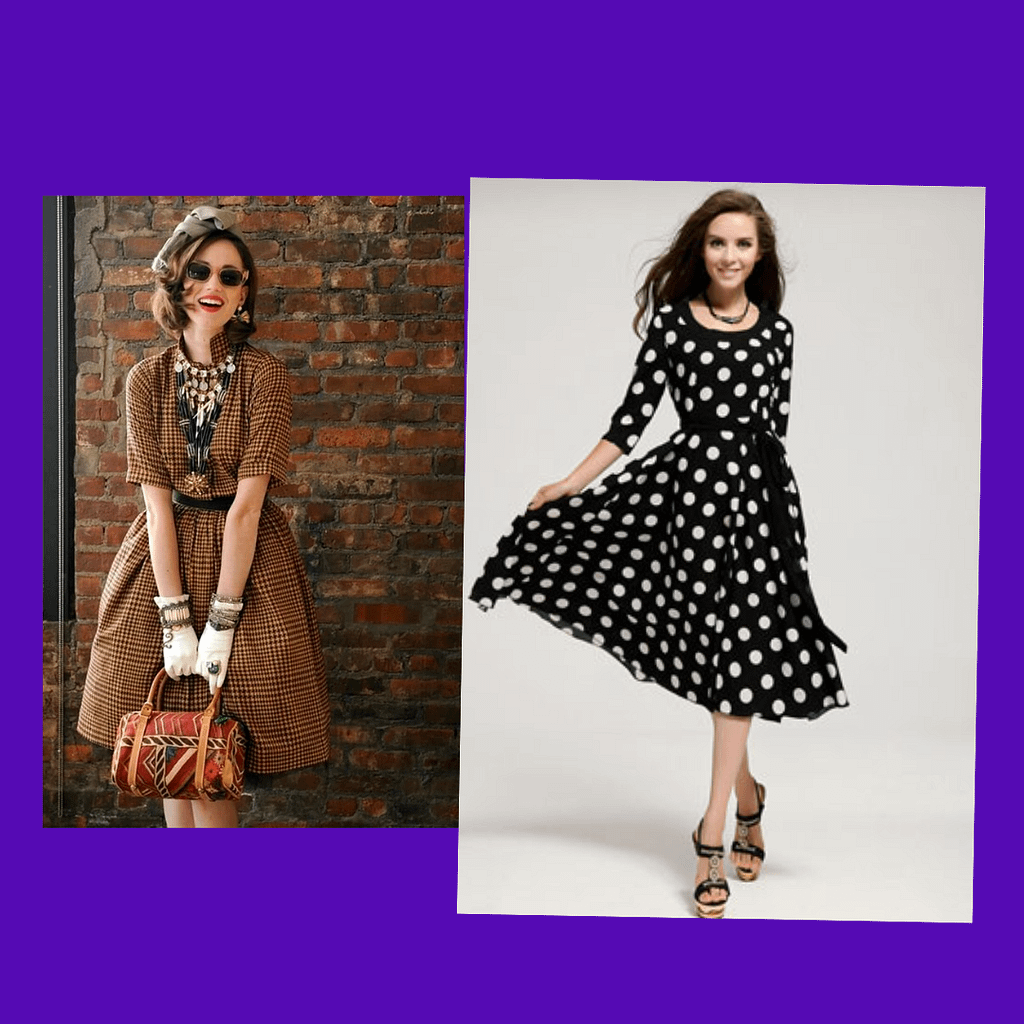
The History of Fashion: From Royal Courts to Street Style
Fashion has always been a reflection of the times, evolving as society changes. From the luxurious garments of Renaissance Europe to the modern, expressive street style of today, fashion has come a long way. This article explores the evolution of fashion, tracing its development from the Royal courts of the Renaissance to the rebellious nature of street style in the 21st century. By understanding fashion’s rich history, we gain insight into how clothing reflects social, cultural, and political shifts over time.
The Renaissance: A Time of Opulence
The Renaissance (14th to 17th century) marked a significant turning point in the history of fashion. During this period, royal courts in Europe set the tone for high fashion. The Renaissance was characterized by an appreciation for luxury and ornate designs. Fashion became a symbol of status, with the wealthiest individuals wearing elaborate garments made from expensive fabrics like silk, velvet, and brocade. Fabrics were often richly embroidered, and colors like deep red, purple, and gold were reserved for the elite.
The clothing of the time was heavily influenced by social class and courtly etiquette. Sumptuary laws were put in place to regulate who could wear certain types of fabrics and colors, ensuring that only the aristocracy had access to the most luxurious styles. Corsets, wide sleeves, and elaborate hats were common in women’s fashion, while men wore doublets, hose, and ruff collars. Fashion was not just about beauty, but about demonstrating one’s wealth and power within the hierarchical social structure.
The 18th Century: Fashion and Social Status
The 18th century saw the rise of Baroque and Rococo styles, continuing the trend of fashion as a symbol of social standing. During this period, European royal courts, particularly in France, led the way in terms of setting trends. The French court, with Louis XIV at its helm, was the epitome of fashion, and Versailles became a center of innovation. Court dress was highly structured and elaborate, with powdered wigs, bodices, and gowns for women and tailored coats and knee-breeches for men.
The French Revolution at the end of the 18th century brought a shift in fashion, as the aristocracy was overthrown and a more practical and simpler style emerged. The lavishness of the royal court gave way to neoclassical fashion, inspired by ancient Greek and Roman styles. Empire waist dresses and loose, flowing silhouettes became popular, particularly for women, while men adopted tailcoats and waistcoats. This shift signified the growing influence of individualism and democratic values in fashion, moving away from extravagant displays of wealth.
The 19th Century: Industrial Revolution and the Birth of Modern Fashion
The 19th century saw profound changes in both society and fashion. The Industrial Revolution brought about mass production, which made clothes more accessible to the middle class. This period saw the birth of modern fashion as we know it, with fashion houses emerging in Paris and London, establishing the groundwork for today’s fashion industry.
Women’s fashion became more structured and restrictive with the introduction of the corset, which shaped the waist and created the hourglass silhouette. Crinoline skirts and bustle dresses were popular throughout much of the century, with Victorian fashion dictating societal norms for women’s appearance. Men’s fashion, on the other hand, became more standardized with the development of the suit, which remains a cornerstone of men’s wardrobes today.
The rise of haute couture in Paris, with designers like Charles Frederick Worth, marked the beginning of high fashion as a global industry. Fashion shows became the norm, and the elite continued to set trends, but the growing middle class also began to experiment with fashion, using it as a way to express personal style.
The 20th Century: From Revolution to Rebellion
The 20th century was a time of revolution in both fashion and society. World War I and World War II had a profound impact on how people dressed. During the wars, clothing became more practical, with women adopting trousers and shorter skirts as they entered the workforce. The notion of utility and comfort became more important than ever before.
After the wars, fashion saw the rise of haute couture in the 1950s, with Christian Dior and Coco Chanel creating iconic designs that celebrated femininity and elegance. However, as the counterculture movement of the 1960s and 1970s gained momentum, fashion began to reflect a more rebellious spirit. Young people rejected the traditional styles of their parents and turned to street fashion, embracing denim jeans, leather jackets, and t-shirts as symbols of independence.
The punk movement in the late 1970s and 1980s saw fashion as a form of protest, with torn clothes, bright colors, and DIY accessories representing a rejection of mainstream culture. The 1980s also saw the rise of designer brands, with Gianni Versace and Jean-Paul Gaultier creating collections that mixed luxury with street culture. Fashion became a way to express individuality, and the idea of self-expression became more important than simply following trends.
21st Century: Street Style and Digital Influence
In the 21st century, fashion has become increasingly democratic and globalized. With the rise of social media, street style has gained mainstream recognition. Instagram, TikTok, and Pinterest have transformed how people engage with fashion, allowing individuals to showcase their personal style and inspire others around the world. Street style, once reserved for the rebellious youth, is now celebrated by fashion houses and designers who incorporate elements of casual, urban dressing into their collections.
Today, fashion is less about adhering to one particular trend and more about individuality and self-expression. People mix and match different styles, drawing inspiration from diverse cultures and subcultures. Sustainability and ethical fashion have also become significant trends, with many consumers seeking out brands that prioritize environmental responsibility and fair labor practices.
Fashion is no longer just for the elite or for those who can afford to keep up with the latest trends. With the democratization of style through social media, everyone has a voice in the fashion world. This evolution marks a shift from the highly controlled, aristocratic fashion of the past to the inclusive, diverse, and innovative fashion scene we see today.
Conclusion: Fashion’s Ongoing Evolution
Fashion has come a long way from the royal courts of the Renaissance to the street style of today. Over the centuries, fashion has been influenced by cultural, political, and social changes, reflecting the values of the time. Today, fashion is more inclusive, diverse, and accessible than ever before, with individuality taking center stage. From luxurious garments to casual streetwear, fashion continues to evolve, serving as both a mirror and a catalyst for societal change.