
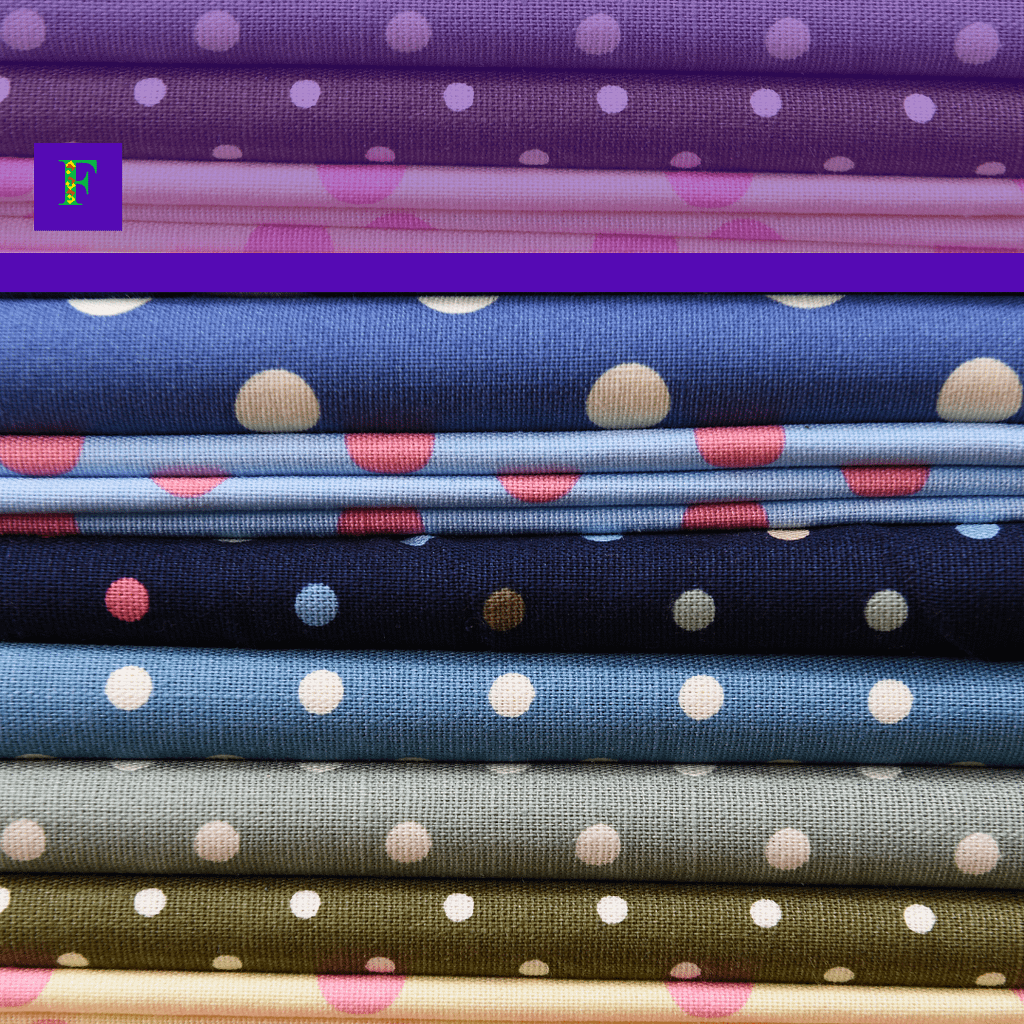
Why the Right Fabric Choice is 50% of a Collection's Success
Choosing the right fabric is one of the most important decisions a designer can make when creating a fashion collection. While creativity, concept, and design play crucial roles, fabric choice is often the silent hero behind a collection’s success or failure. In fact, the fabric you choose could account for as much as 50% of a collection’s overall success. It’s the foundation on which the entire design comes to life. Let’s dive into why fabric is so important and how it influences the final outcome.
Fabric Defines the Look and Feel
Every designer knows that fabric sets the tone for a collection. It influences the way the garment drapes, flows, and feels against the skin. Think about it — the same design could look entirely different in two different fabrics. A silk dress may feel luxurious and elegant, while a cotton version could appear more casual and laid-back. The texture, weight, and sheen of fabric all play a major role in shaping the garment’s overall aesthetic.
The fabric you choose communicates so much about the collection. For instance, lightweight fabrics like chiffon and organza often convey a sense of softness and airiness, making them perfect for romantic, feminine collections. On the other hand, heavier fabrics such as denim, wool, or leather provide structure and can create a more edgy or tailored look. Fabric truly dictates the vibe of your collection.
Functionality and Comfort Go Hand-in-Hand
While style is essential, so is comfort. If your garments don’t feel good on the body, no matter how stylish they may appear, they are unlikely to be successful in the long run. The right fabric ensures comfort and functionality, allowing wearers to move freely and feel confident. Imagine a beautiful dress that’s stunning in its design but feels stiff or itchy due to poor fabric choices — it’s not going to win over customers.
Fabric choice also influences practicality. For example, in activewear collections, performance fabrics like Lycra or spandex allow for stretchability and durability. In evening wear, fabrics like velvet or satin exude sophistication, yet they still need to maintain some level of comfort. If a fabric does not meet the functional requirements of a piece, it can completely hinder the success of the collection.
Fabric Influences Sustainability
Sustainability has become a hot topic in fashion, and fabric choice plays a huge role in how eco-friendly a collection is. Sustainable fabrics such as organic cotton, hemp, and bamboo are gaining popularity because they have a lower environmental impact compared to traditional materials. By choosing sustainable fabrics, designers can create collections that align with ethical values, catering to an audience that’s increasingly aware of their consumption choices.
Moreover, sustainable fabrics don’t just benefit the environment — they can also contribute to the durability and longevity of a garment. Fabrics made from recycled materials or natural fibers tend to wear better over time, making them a smart investment for both designers and customers. The fashion industry is changing, and the right fabric choice can help set you apart as a designer who values the planet.
The Role of Fabric in Trends
Fashion is always evolving, with new trends emerging each season. Fabric plays a key role in shaping and setting these trends. Some fabrics dominate particular seasons due to their unique qualities. For example, velvet often makes a comeback in colder months, offering a rich, warm texture that is both luxurious and cozy. Similarly, lightweight linen is a staple for summer collections, known for its breathable qualities.
Designers who keep up with these shifts in fabric trends are better positioned to create collections that feel current and relevant. Choosing the right fabric that aligns with the seasonal trends not only showcases the designer’s understanding of the market but also appeals to fashion-conscious consumers. Fabric choice can make a collection feel fresh, modern, and in tune with the times, allowing designers to stay ahead of the curve.
The Importance of Fabric Suppliers and Quality Control
Beyond just picking the right fabric for your collection, maintaining quality control is paramount. Working with reputable fabric suppliers who provide high-quality materials is essential. A beautiful design can be completely ruined if the fabric quality is subpar. Imagine spending hours designing a gorgeous piece, only for it to fall apart after a few wears due to poor-quality fabric. Ensuring that the fabric is durable, well-made, and of high quality is essential for long-term success.
Moreover, fabric suppliers can often advise on the best materials for a particular design, helping to prevent mistakes and miscalculations. Building strong relationships with fabric suppliers allows designers to access a variety of materials and take advantage of the latest fabric innovations. Suppliers can also provide samples, which give designers the opportunity to test fabrics before committing to them, ensuring the best possible outcome for their collection.
Conclusion: Fabric Is the Backbone of Fashion Design
The right fabric choice is fundamental to the success of any fashion collection. It defines the look, feel, and functionality of the garment, plays a crucial role in sustainability, and helps define trends. A designer’s fabric selection goes beyond aesthetics — it directly impacts comfort, durability, and the long-term appeal of the collection. No matter how creative or innovative the design, fabric is the foundation that brings everything together.
In a world where consumers are becoming more informed about fashion choices, the right fabric selection can elevate your collection, helping you build a brand that’s recognized for quality and thoughtfulness. Remember, when it comes to fashion, fabric is 50% of your success — choose wisely!